
Products · Skin substitute
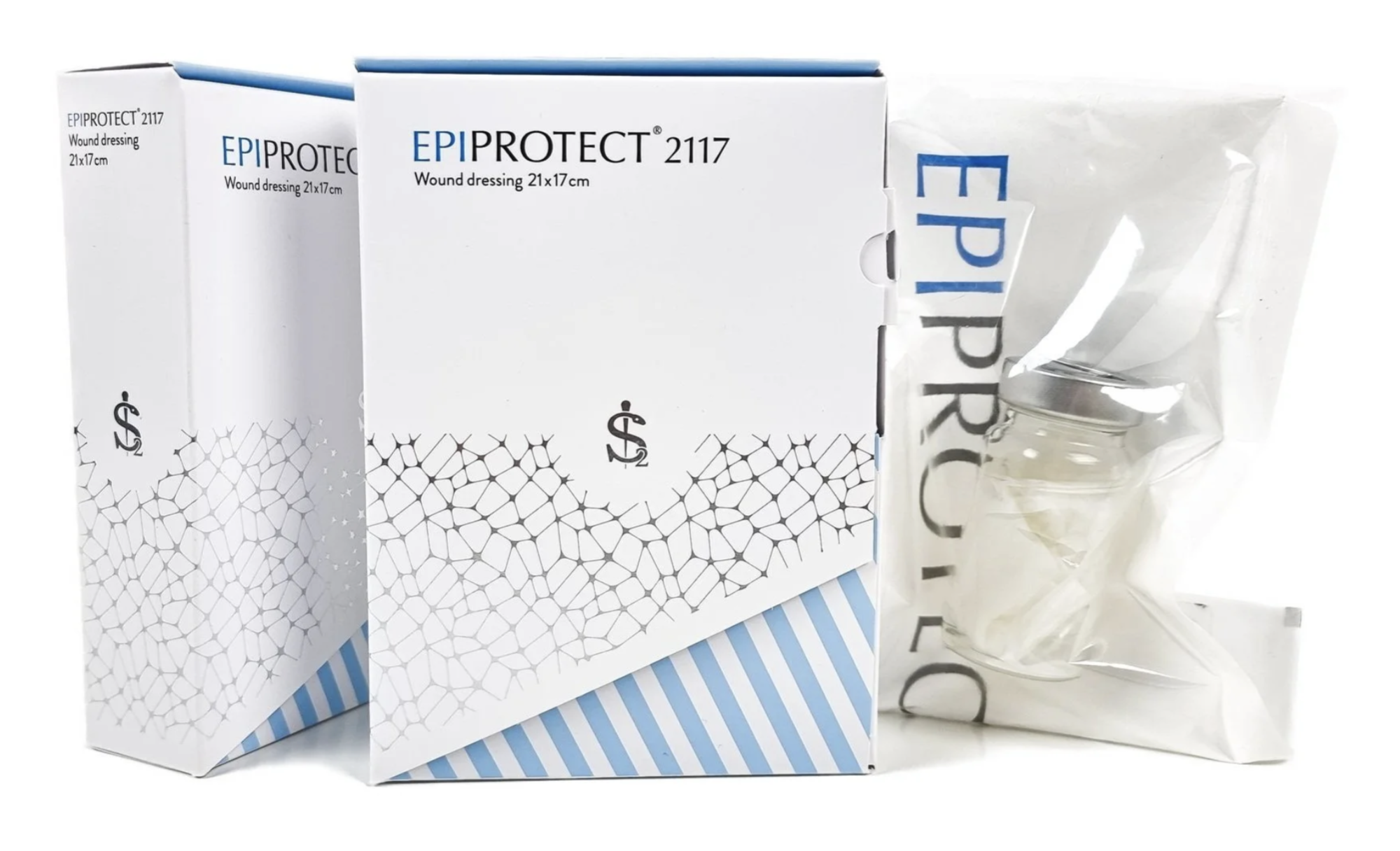
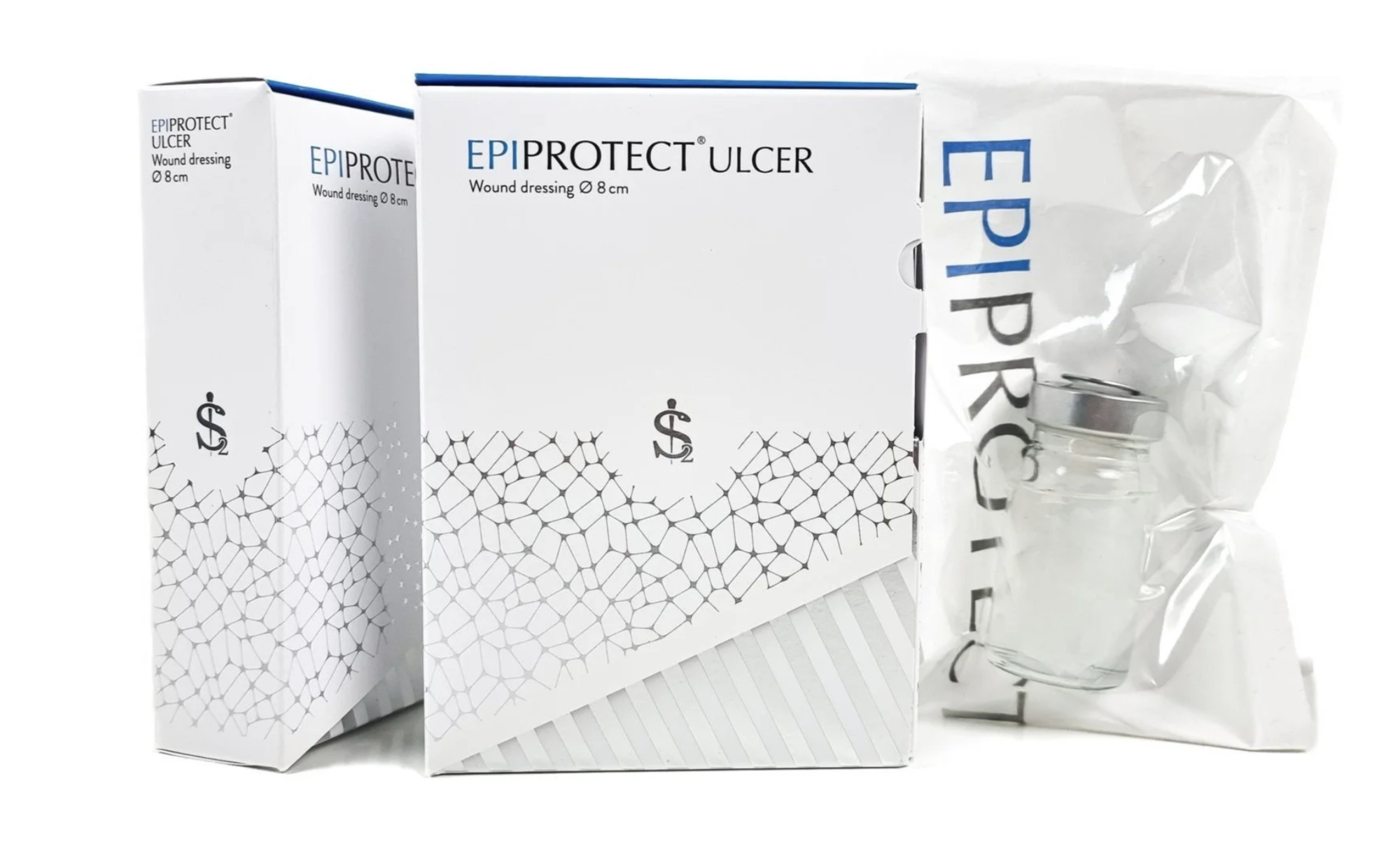
A synthetic allograft/xenograft substitute, for everyone. A thin film of biosynthetic cellulose polymer that acts as a protective barrier for superficial wounds and for deep wounds that have breached the dermis. Developed by S2Medical, today owned by EPIPROTECT AB, a wholly owned subsidiary of ABENA.

- 2117
- 21 × 17 cm · burns
- Ulcer
- Disc Ø 8 cm · acute and chronic ulcers
- Storage
- ROOM TEMPERATURE · 3 YEARS
- Owner
- EPIPROTECT AB (ABENA)
Properties
What it does
- Adheres and conforms to the wound
- Easy to apply and easy to cut
- Near total transparency
- Easy monitoring
- Moist wound healing
- Allows the body to control the microenvironment
- Nanostructure that mimics skin
- Replaces the need of animal or human tissue
- Impermeable to bacteria
- Haemostatic
- Apply only once, on superficial burns and wounds
- Breathable
- Prevents fluid loss
- Compatible with antibiotics
- Reduced pain
Clinical evidence · EPIPROTECT®
What the clinical literature shows
2.6%
Infection rate vs 16.4% for Biobrane, retrospective paediatric comparison [9]
13 days
Median healing, superficial scalds, prospective case series (n=30) [10]
9+
Peer-reviewed clinical publications [14]
How it works
Healing without dressing changes
EPIPROTECT comes in a glass vial filled with a storage solution and is ready to use: open the vial, take out the dressing and place it on the wound. It supports the body in controlling moisture by facilitating the formation of a scab. Once adhered to a superficial wound it will in most cases stay on until the wound has healed, and peels off together with the crust after re-epithelialisation. It can also serve as temporary coverage for deep extensive wounds prior to transplantation or other surgery.
Clinical evidence
Published studies
Epiprotect® compared with silver sulphadiazine for the treatment of partial thickness burns: a prospective, randomised, clinical trial.
Aboelnaga A. et al. Burns 2018. doi: 10.1016/j.burns.2018.06.007: shorter hospital stay, lower pain scores and fewer dressing changes in the cellulose group.
Treatment of non-healing ulcers with an allograft/xenograft substitute: a case series.
Sivlér T., Sivlér P., Skog M., Conti L., Aili D.: an average of 1.7 dressings until complete healing; one application lasted 63 days without dressing change.
EPIPROTECT®